
For the first time in over 20 years, the way we treat life-threatening allergies is undergoing a massive change. If you are a parent whose child panics at the sight of a needle, you know that an already terrifying emergency can become even more stressful. The arrival of neffy®, which is Australia’s first needle-free adrenaline nasal spray, is a game-changer for our community. Officially registered by the TGA in late 2025, neffy® has passed Australia’s rigorous safety checks and is now listed on the Australian Register of Therapeutic Goods.
We expect neffy® to become available through pharmacies in early 2026, initially via private prescription from your GP or allergist. While it is not on the PBS subsidised list just yet, having this needle-free option finally within reach is a long-awaited win for families across Australia. It is approved for adults and children aged 4 years and over who weigh at least 15 kg, offering a simple "place and press" administration that requires no needles and no sniffing.
Who is neffy® for and how is it used?
neffy® is prescribed specifically based on a child's weight. It is available in two dosage strengths:
-
1 mg dose: For children weighing 15 kg to less than 30 kg.
-
2 mg dose: For those weighing 30 kg and over.
The device uses a “place and press” design, which means there are no needles and no need to sniff. A quick press in the nostril delivers the adrenaline when it matters most.
Anaphylaxis Treatment Devices in Australia (2026)

Worried about anaphylaxis?
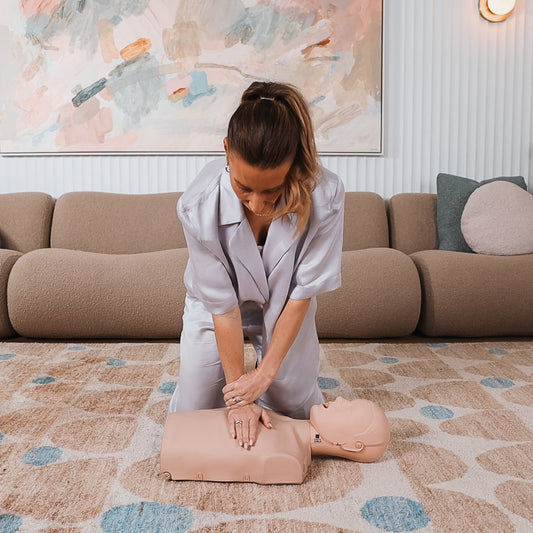
Our Baby & Child First Aid Course covers exactly what to do in an emergency. Learn CPR, choking, anaphylaxis management, and essential emergency care.
Choose your format: Online, in-person, or at-home sessions available.
Serious warnings and precautions
neffy® is designed for emergency use only and should not be used for mild allergy symptoms or as a preventative treatment. It should never be “tested” or sprayed before use, as that would empty the device.
There are no absolute contraindications when treating life‑threatening anaphylaxis, meaning adrenaline should always be given. However, people with significant heart disease or nasal structural conditions should discuss suitability with their doctor.
Common side effects can include nasal discomfort, headache, dizziness, runny nose, and nausea. Like all adrenaline products, fast heartbeat, trembling, and anxiety can occur but are usually short‑lived. The benefits far outweigh these effects during anaphylaxis.
Schools, Childcare and Action Plans
The Australasian Society of Clinical Immunology and Allergy (ASCIA) is updating its anaphylaxis guidelines, training programs, and Action Plans to include neffy®.
In Victoria, neffy® is already recognised in individual student action plans. However, schools must continue to keep general‑use auto‑injectors such as EpiPen, Anapen, or Jext onsite. neffy® can be used if it is supplied by a family for an individual student.
If your child uses neffy®, your GP or allergist will provide an updated ASCIA Action Plan that lists the correct dose and instructions. Families should give this plan to their school or childcare service so staff can complete specific neffy® training.
Common side effects
-
In adults, common side effects (seen in at least about 2% of users in studies) include nasal discomfort or pain, headache, runny nose, dizziness, nausea, vomiting, and throat irritation.
-
In children 4+ years and ≥15 kg, common side effects (10% or more) include nasal discomfort, congestion, tingling, sneezing, runny or blocked nose, nosebleeds, nasal pain or dryness, dry throat, fatigue, feeling “jittery” or over‑excited, dizziness, nausea, and vomiting.
-
Systemic epinephrine‑type effects can include palpitations, fast heart rate, tremor, anxiety, sweating, and increased blood pressure, similar to those seen with adrenaline auto‑injectors.
Safety Steps for Parents
- No "Sniffing" Required: Simply insert the nozzle fully and press the plunger until it clicks.
- Always carry two neffy® devices at all times.
- Use it as soon as you notice signs of anaphylaxis, then call 000.
- A second dose can be given about five minutes later if symptoms are not improving.
- Keep your ASCIA Action Plan up to date and make sure all carers, teachers, and relatives know how to use neffy®.
- In Victoria, school anaphylaxis supervisors must complete neffy®‑specific training if a student’s plan includes neffy®.
- Temperature Alert: Store below 25°C and never freeze. If frozen, it requires one hour to thaw before it will work.
Be Prepared for Any Emergency
Understanding anaphylaxis treatment is just one part of keeping your family safe. Our comprehensive Baby & Child First Aid Course gives you the confidence and skills to respond to choking, CPR, allergic reactions, and more.
Available online, in-person across Australia, or at your home.
----------------------
Sources:
-
ASCIA update on neffy® (TGA registration, early 2026 availability, PBS status):
https://www.allergy.org.au/about-ascia/info-updates/two-new-adrenaline-epinephrine-devices-are-tga-registered -
ASCIA Action Plans for Anaphylaxis, including the neffy®‑specific 2026 plan:
https://www.allergy.org.au/hp/anaphylaxis/ascia-action-plan-for-anaphylaxis -
ASCIA home page (for parents, schools, and health professional resources):
https://www.allergy.org.au/ -
Pharmacy Daily news item on neffy® listing on the Australian Register of Therapeutic Goods and early 2026 private prescription availability:
https://pharmacydaily.com.au/news/adrenaline-nasal-spray-tga-approved/118443 -
RACGP article: “TGA approves needle-free anaphylaxis treatment” (good context for GPs and parents):
https://www1.racgp.org.au/newsgp/clinical/tga-approves-needle-free-anaphylaxis-treatment